Current product data sheet
Confirm model suffix, published revision, input voltage, processing mode and the exact conditions attached to acoustic or electrical values.

ENGINEERING EVIDENCE
This site treats product literature, acoustic modelling, bench checks and field measurements as separate evidence layers. Each can answer a different question; none should be stretched beyond its test context.
“Specify the audience outcome, disclose the measurement condition, preserve the approved state.
Peak output, frequency response, dispersion and amplifier power are useful only with their conditions. Distance, bandwidth, tolerance window, crest factor, limiter state and duration can change the meaning of a number. The review process keeps those qualifiers beside the value.
Venue systems outlive laptops, operators and sometimes integrators. Clear channel names, dated configuration exports, equipment serial records, recovery presets and representative measurements provide a safer starting point for later maintenance than memory.
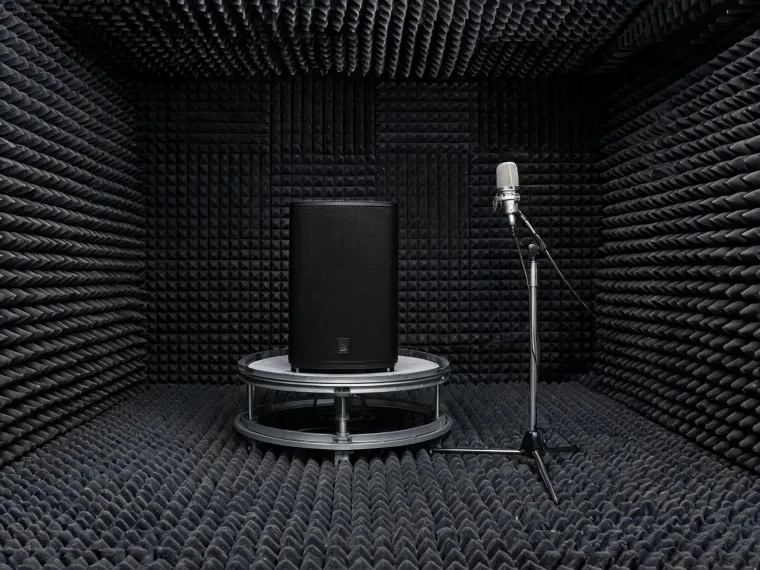
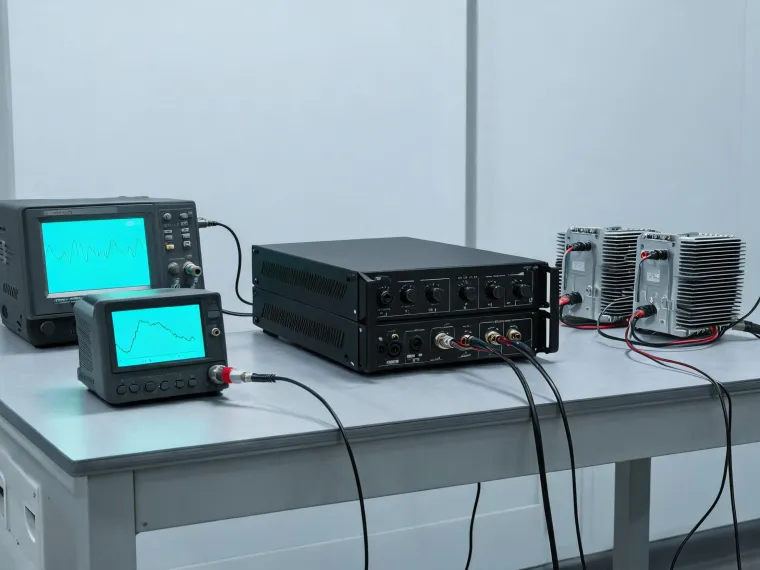
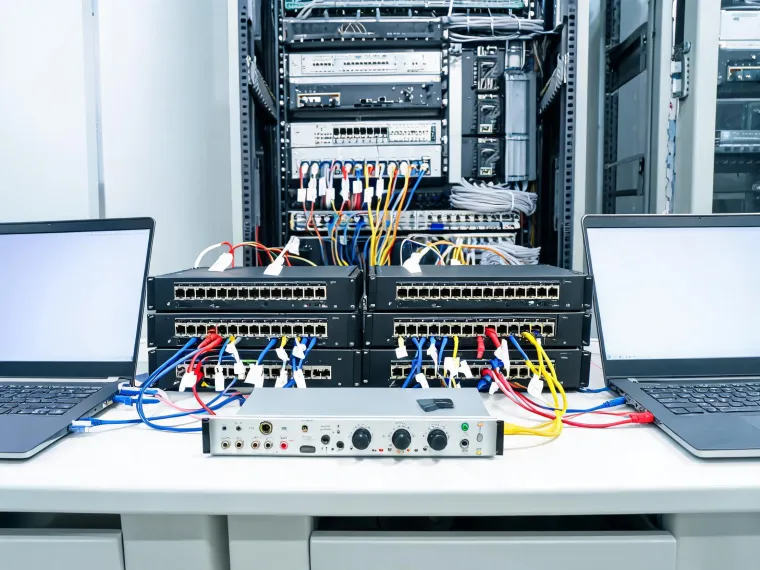
FOUR EVIDENCE STATIONS
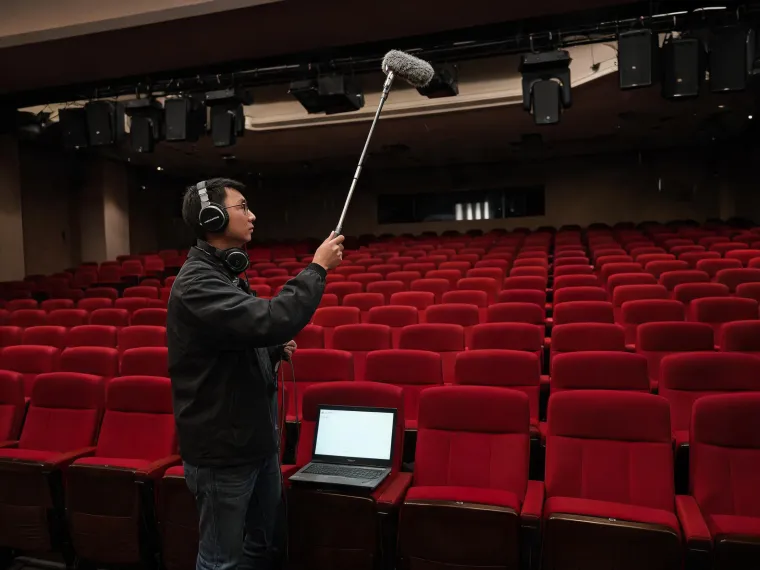
The scenes illustrate a verification workflow rather than claiming ownership of a specific facility. Project evidence must identify the actual laboratory, instrument, software version and operator when those details matter.
DOCUMENT CONTROL
Confirm model suffix, published revision, input voltage, processing mode and the exact conditions attached to acoustic or electrical values.
Use the current hardware schedule, load limits and inspection requirements. A product photograph or previous project drawing is not a rigging approval.
Store channel allocation, polarity, delay, crossover, limiter state, measurement positions and approval notes in one dated handover package.
TRACE THE CLAIM
Identify the value that affects your decision and the conditions you need confirmed. A focused document request is faster to review and easier to preserve for procurement.
Open a system brief