
SIGNAL · ACOUSTICS · CONTROL
QSC technology, examined layer by layer
A professional audio system can fail while every device appears powered. This page follows the signal from source to listener and identifies the conditions that make a technical result reproducible.
Follow the evidence path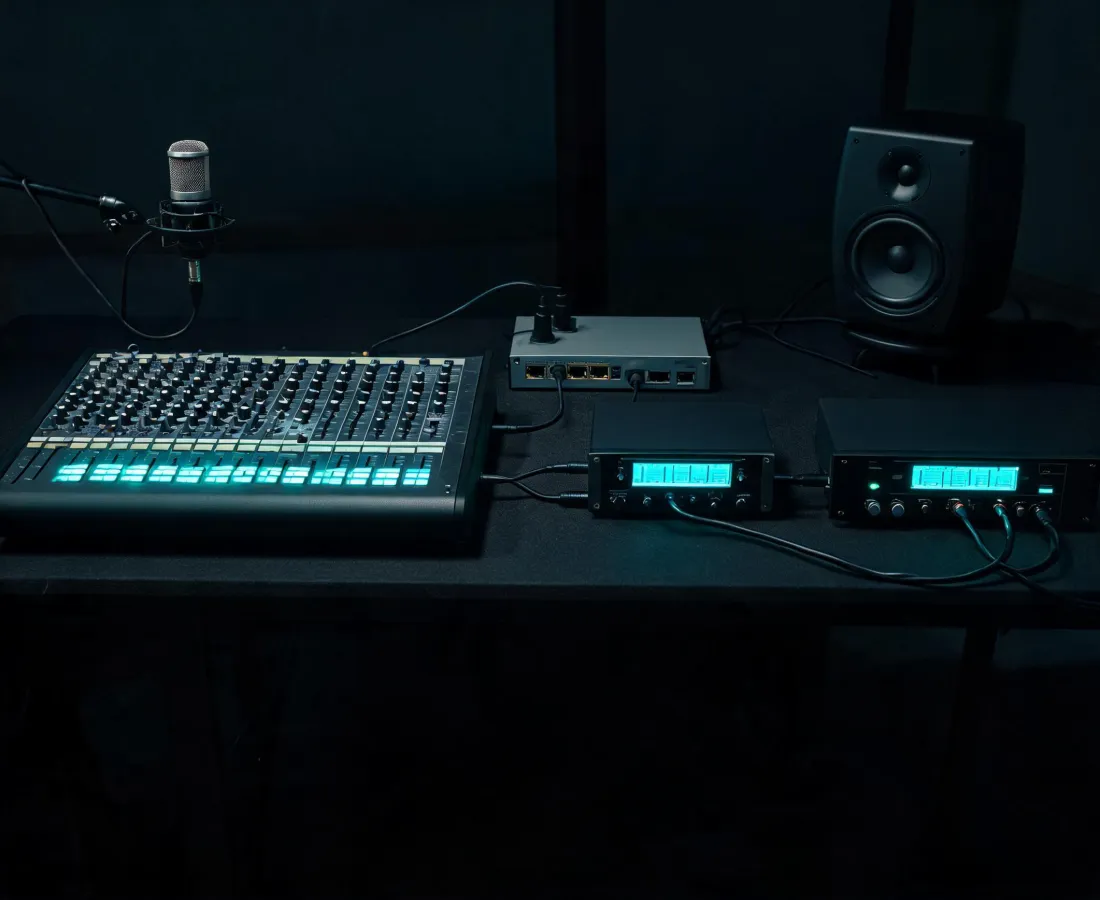
Begin at the source. Record nominal input type, reference level and the point where analog gain becomes digital level. A meter near 0 dBFS does not describe acoustic headroom, while an amplifier power value does not predict audience level without loudspeaker sensitivity, distance, processing and duty-cycle context.
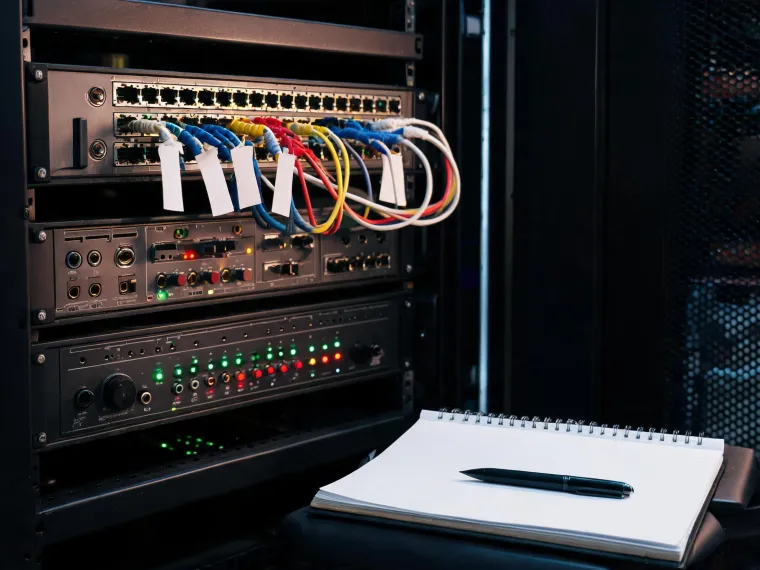
Continue through routing and clocking. In a networked system, identify the master clock, sample rate, subscription path and behavior after a managed switch or endpoint restarts. Store a known recovery sequence. A redundant cable is not redundant architecture when both paths depend on one untested power supply.
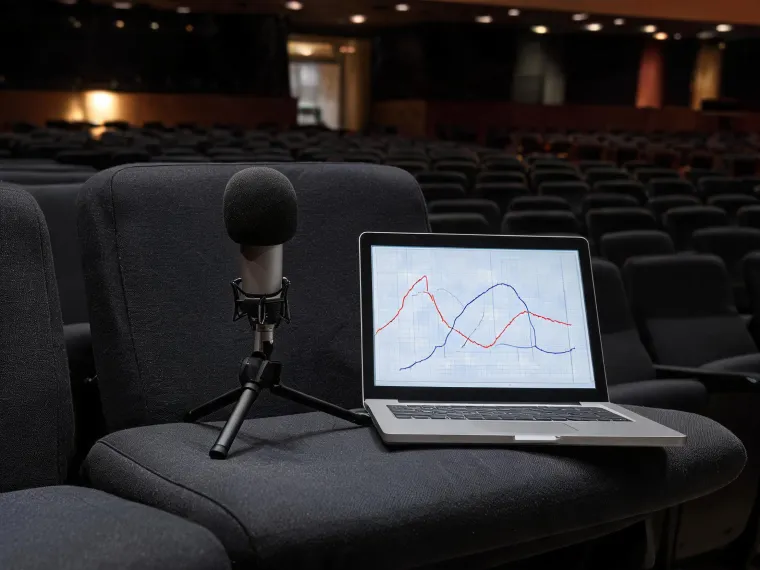
Finish at the acoustic layer. Verify polarity before delay, and delay before broad equalization. Use a calibrated microphone at several documented positions. A narrow notch at one seat may be a reflection or spatial cancellation; applying it to every output can make other seats worse.
Define roles for routine operation, event technicians and system administrators. Source selection and zone volume may belong on a daily panel; limiter thresholds, network addressing and loudspeaker protection should remain controlled. The permission model should be tested with each role rather than inferred from an administrator account.
Control latency and visual feedback matter when an operator works under pressure. Confirm that a mute indication follows the real signal state, that grouped zones resolve partial failures, and that the interface identifies which room or amplifier channel generated an alert.
Technology boundaries remain physical. Processing cannot overcome a blocked sightline, inadequate amplifier ventilation, unsuitable rigging or an enclosure exposed beyond its rating. Software updates also require a rollback plan, compatible firmware matrix and a saved configuration made before the change.
REPRODUCIBLE CHECKPOINTS
Four questions for any performance claim
PROOF ARTIFACTS
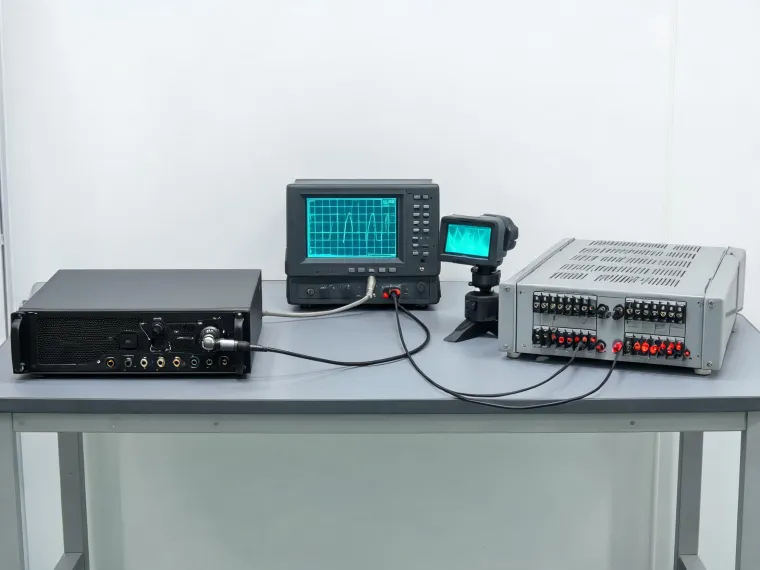
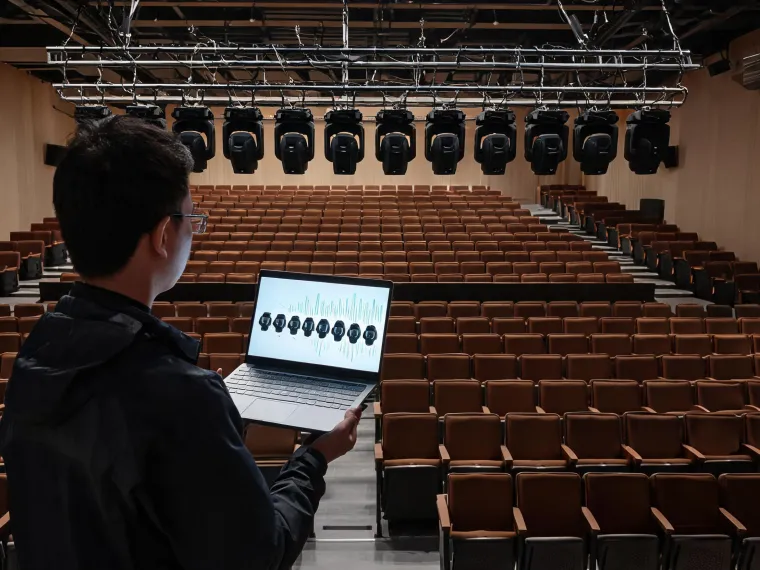
A picture should reveal the test, not decorate the claim
MAKE IT TESTABLE
Request a QSC technology review around your signal path
Provide the proposed devices, network drawing, loudspeaker locations and acceptance criteria. The discussion can isolate what published documentation answers and what must be measured in the actual room.
- State and revision checklist
- Acoustic measurement conditions
- Failure and recovery scenarios