
QSC brand logo
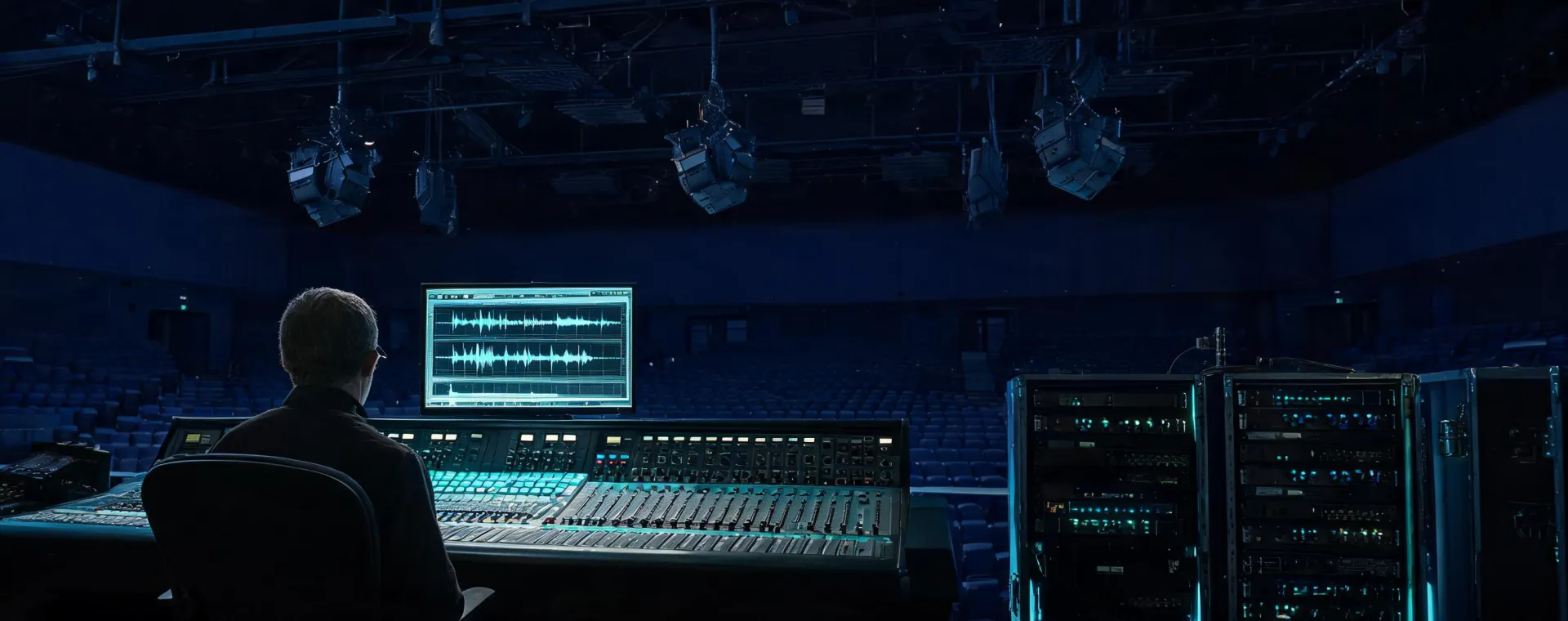
QSC system commissioning at front of house

SCOPE · VERIFY · HAND OVER

QSC commissioning that leaves an evidence trail

A useful service record connects the venue brief to the final routing, aiming, gain structure and protection settings. It also tells the next technician which conditions were measured and which remain operational variables.

THE WORKING SEQUENCE

Four reviews, each with a distinct output

The cards scroll horizontally on compact screens so the service sequence remains legible without compressing technical notes into narrow columns.

01

Design-input review

Collect audience width and depth, mounting coordinates, program type, target level, microphone plan, source count and environmental exposure. Mark assumptions such as future balcony use or shared paging before equipment is allocated.

Output: controlled system brief
02

Signal-path verification

Trace source, mixer, network, processor, amplifier and loudspeaker connections. Confirm clock ownership, sample rate, channel labels, nominal impedance and recovery behavior instead of treating a passing audio signal as proof of correct configuration.

Output: routing and load schedule
03

Acoustic alignment

Check polarity before equalization, establish delay from physical arrival time, set crossover under the selected preset and compare representative seats. A single front-of-house trace is insufficient for a multi-zone room.

Output: measurement workbook
04

Operator handover

Save approved presets, limits and fallback routes. Walk operators through normal startup, muted zones, network loss and amplifier protection states, then record who accepted the configuration and which changes require engineering review.

Output: signed handover record

MINIMUM REVIEW DEPTH

Numbers describe the method, not a guaranteed outcome

These counts define a repeatable starting protocol. Complex arrays, reflective rooms and networked campuses may need more points, states and test time.

3+audience positions per acoustic zone
2stored states: approved and recovery
1:1channel label to physical output check
0equalization changes before polarity review

Operating boundary

Commissioning cannot remove room reverberation, poor source technique, obstructed sightlines or an undersized electrical supply. Maximum-SPL figures from different documents are not directly comparable unless distance, bandwidth, crest factor and duration match. Outdoor use also requires enclosure and connector ratings suited to exposure; indoor product families should not be inferred to carry weather protection.

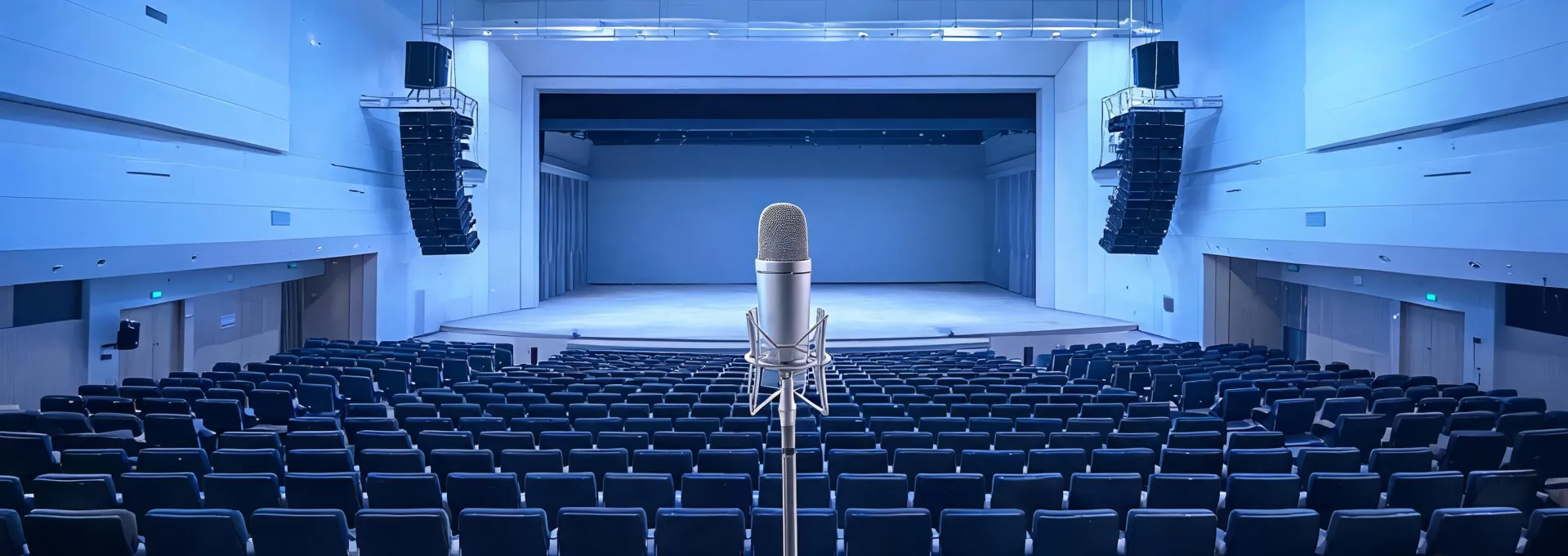
Empty theatre ready for QSC system verification

MAKE THE HANDOVER REPEATABLE

Request a commissioning scope tied to your venue

Send drawings, audience zones, equipment schedule, routing needs and acceptance criteria. We can frame the questions that a dealer, integrator or project engineer must resolve without inventing results before the room is measured.